
It's not stress, it's stretch
Change has become one of the few constants in modern life. Whether it’s at work, at home, or in our communities, the pace of change shows little sign of slowing down and more of us are stressing out
That’s why bestselling author and historian Yuval Noah Harari argues that one of the most important skills for the 21st century is our ability to continually adapt, learn and reinvent ourselves
Yet for most of us, change doesn’t feel exciting. It feels uncomfortable and stressful
Our heart races. Our thoughts speed up. We feel uncertain, stretched and under pressure. We often label these feelings as stress and assume something must be wrong
But what if we’ve misunderstood what is happening?
Researcher and author Angela Patmore, in The Truth About Stress, argues that many of the physical sensations we associate with stress are actually signs that the brain is working hard to solve problems, make new connections and adapt to new situations. Rather than seeing every feeling of pressure as harmful, she suggests we should recognise that periods of challenge can be the very conditions in which learning and growth happen
In other words, it may not be stress
It may be stretch
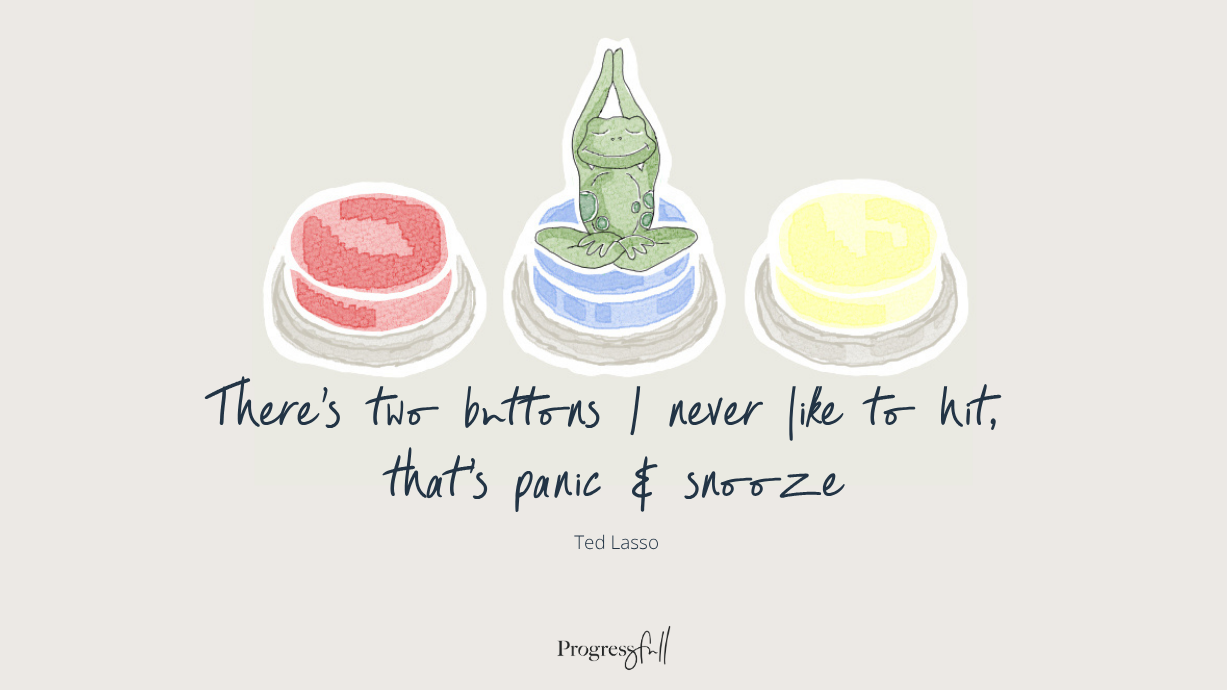
When we face something unfamiliar, our brains work differently. We experience heightened emotion because we are processing, learning and building new mental pathways. Those moments can feel uncomfortable, but they are also where resilience is developed and confidence is earned
Psychologists often describe healthy adaptation to change as a process of problem solving and learning. The goal isn’t to eliminate our emotions or pretend change is easy. Instead, it’s to notice what we’re feeling, understand why we’re feeling it and ask a simple question:
Is this emotion helping me move forward, or holding me back?
When we shift our thinking in this way, change stops being something happening to us and becomes something we can actively navigate as a challenge which helps us grow
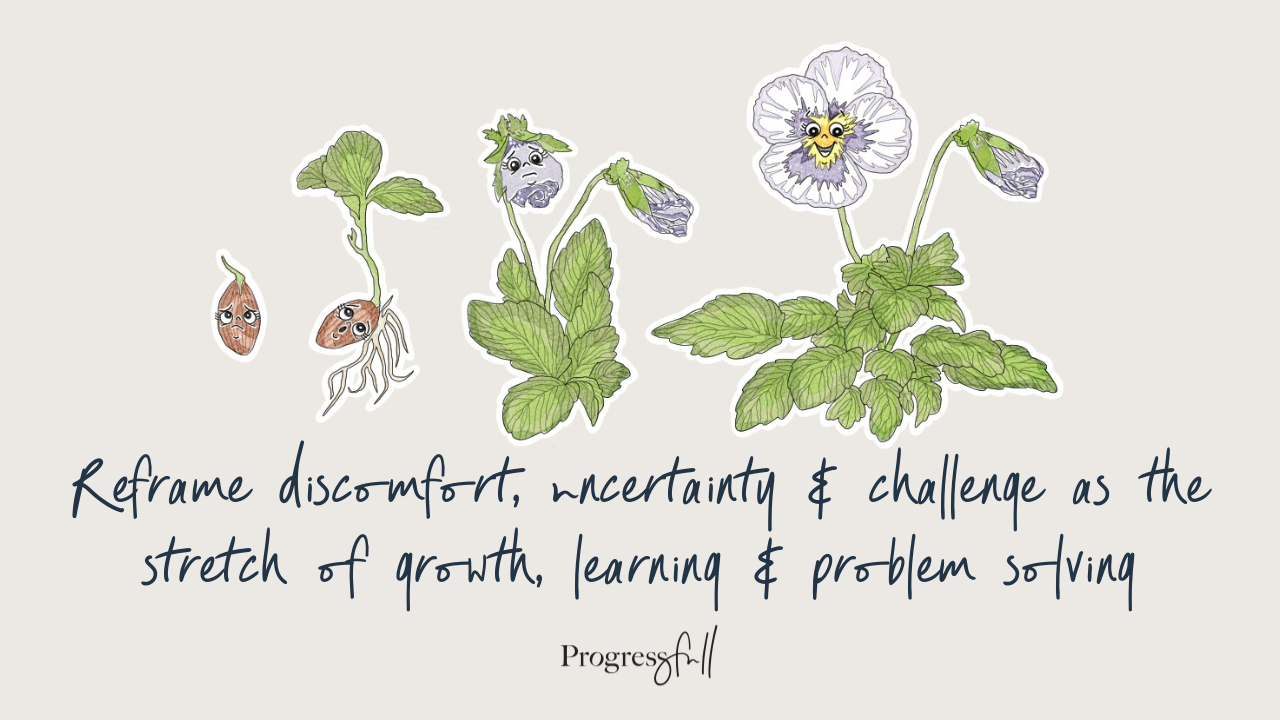 At Progressfull, we encourage people to reframe discomfort, uncertainty and challenge as the stretch of growth, learning and problem solving. It is full of stretch. Swapping stress for stretch helps us believe we will cope, we won’t be overwhelmed. To support this mind-set shift we encourage people to think of change like a ride on a rollercoaster. Rollercoasters are exciting, shake us up and give us a rush, they are challenging, offer us new perspectives and as a result make room for growth and progress. It may be ‘stretchful’ yet it is not stressful. We like to say, 'Enjoy the ride!'
The reality is that only a minority of people naturally respond to change with resilience, have the stretch mind-set, and do in fact, enjoy the ride. The great news is, for most of us, it is a skill that can be learned and strengthened over time
That’s one of the reasons why we developed the ARTT of Progress:
- Assess the situation
- Relate to your emotional response
- Take purposeful action
- Take stock
These simple steps help transform moments of uncertainty into the essentials we need, the opportunities to make progress, the opportunities for learning and growth
If you want to build your confidence in navigating change, our Change Muscles Upskill provides practical tools, exercises and insights that help you strengthen your ability to adapt, respond and thrive. There are a lot of great books and podcasts out there, but rather than endlessly consuming information, with Progressfull you’ll learn how to apply proven techniques that build resilience through action
So the next time life feels uncomfortable, don’t automatically assume you’re stressed
You may simply be stretching
And that’s often where your greatest growth begins
Sign up to receive free tips & insights from Progressfull™


